
BLOG
From Concept to Market: How Artisan Collections Are Developed for International Retail
Behind every successful artisan collection, there is much more than
a good idea.
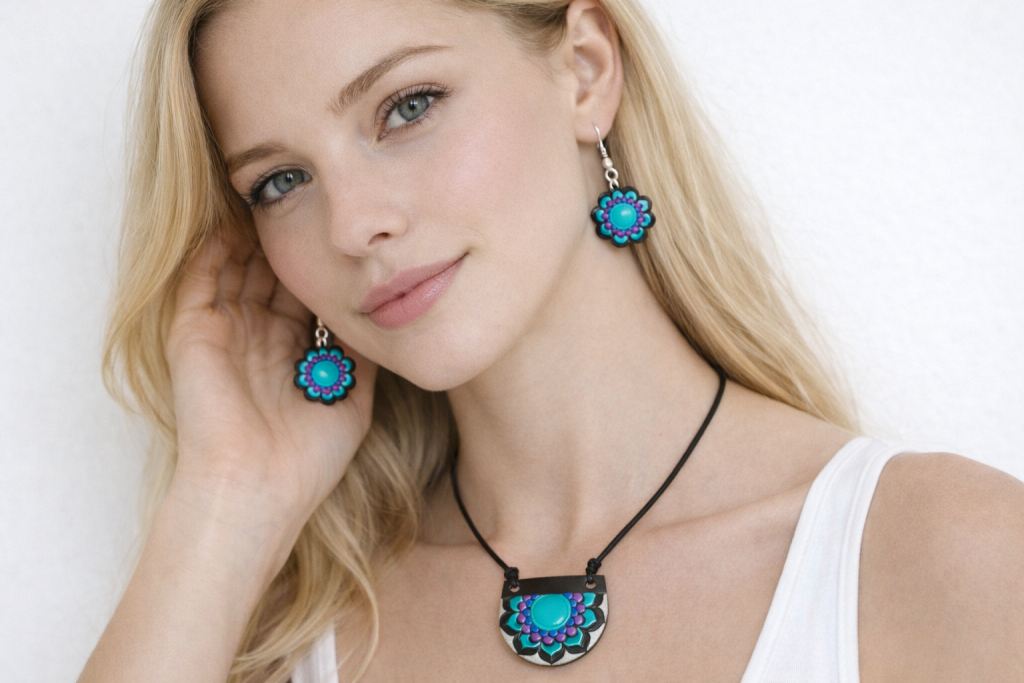
A successful artisan collection does not begin in a workshop. It begins with an idea, a market opportunity and a clear understanding of the customer.
Transforming that idea into a collection ready for international retail requires planning, collaboration and coordination at every stage of the process.
From product development and sampling to production management, quality control and export coordination, each step plays an important role in creating products that are both commercially viable and authentically handcrafted.
At NEST Colombia, we work closely with artisan communities, family-owned workshops and specialized producers across Colombia to help transform ideas into collections designed for international retail markets.
Every Project Starts with a Vision
Every collection begins with a purpose.
Before product development starts, it is important to understand the objectives of the project, the target customer, the retail environment and the overall goals of the collection.
Taking the time to define these elements early helps ensure that products are aligned with both market expectations and brand identity.
A clear vision creates a stronger foundation for every stage that follows.
Transforming Ideas into Products
Once the objectives are defined, the development process begins.
Materials, artisan techniques, product categories, finishes, packaging options and production methods are evaluated to determine the best approach for the collection.
This stage often involves exploring multiple alternatives and refining concepts until products achieve the right balance between aesthetics, functionality and commercial viability.
The goal is to transform ideas into products that are both distinctive and practical for retail environments.
Finding the Right Producers
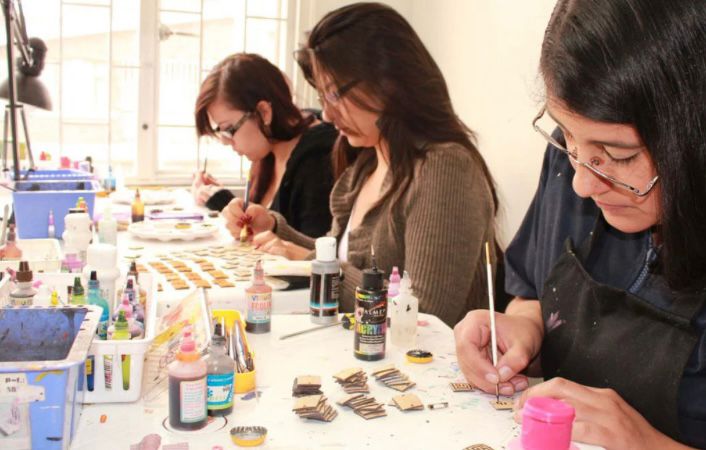
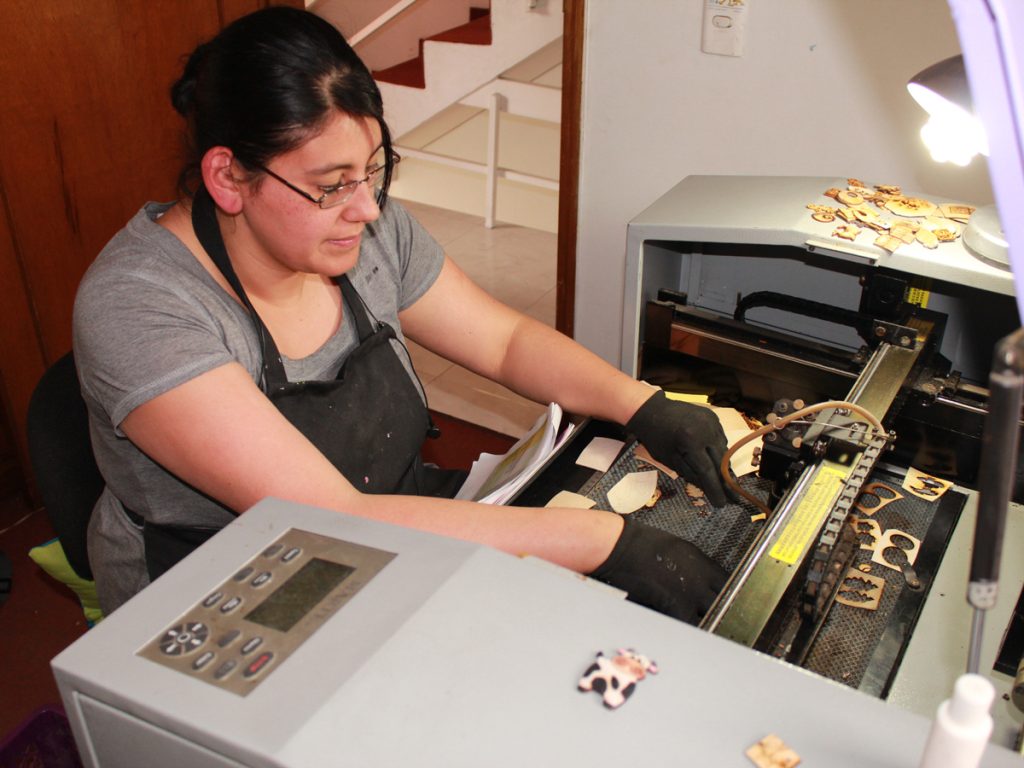
Every artisan technique requires specific skills and production capabilities.
For this reason, one of the most important parts of the process is identifying the right producers for each project.
Different artisan communities, family-owned workshops and specialized makers offer unique expertise in materials, techniques and production methods.
Matching the right producer with the right product helps ensure consistency, quality and efficient production.
Sampling and Prototyping
Before production begins, concepts are transformed into samples and prototypes. This stage allows materials, colors, finishes, dimensions and overall presentation to be reviewed and refined.
Sampling is essential because it helps identify adjustments before larger production commitments are made.
It also provides an opportunity to ensure that the collection meets both aesthetic expectations and commercial requirements.
Coordinating Production
Once samples are approved, production can begin.
Effective production coordination helps maintain quality standards, manage timelines and ensure clear communication between all participants involved in the project.
This becomes particularly important when multiple producers, techniques or regions are involved.
Careful planning helps create a smoother production process and reduces potential challenges along the way.
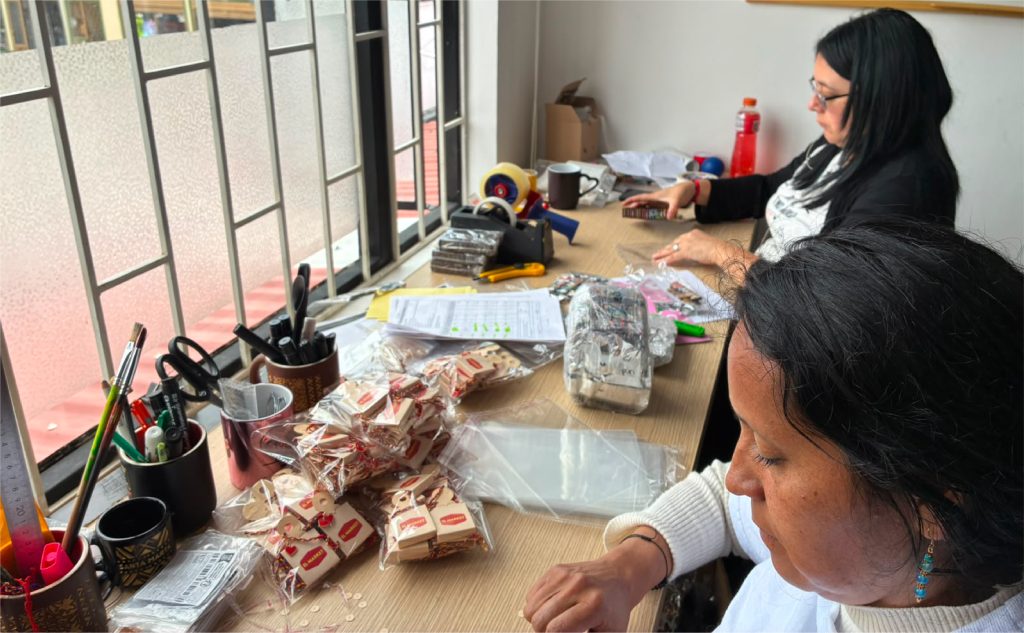
Quality Control Throughout the Process
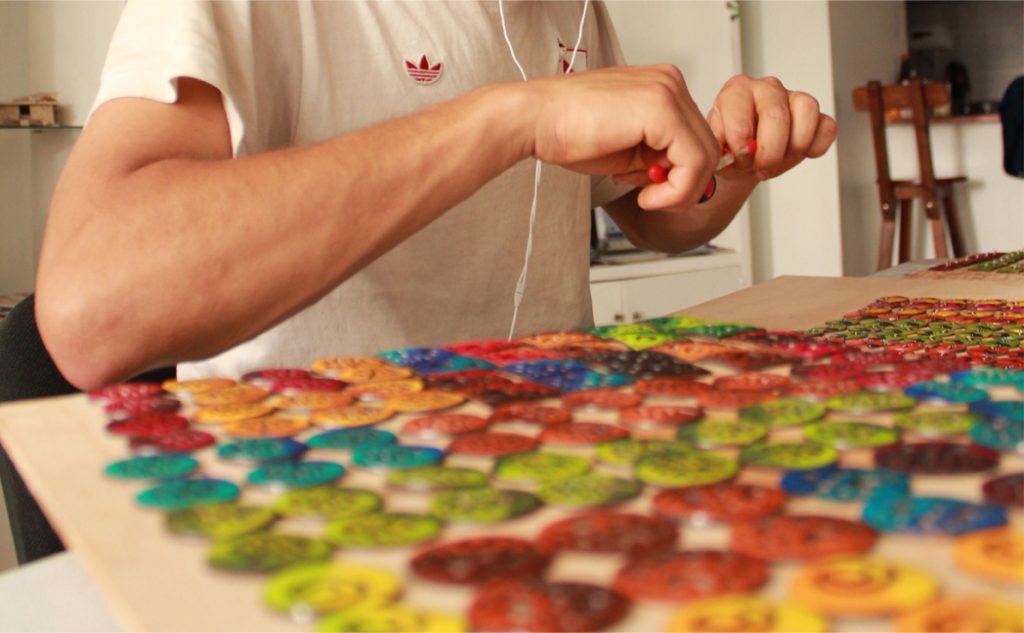
Quality control is not a single step performed at the end of production.
It is an ongoing process that takes place throughout multiple stages of development and manufacturing.
Materials, workmanship, finishing details, packaging and overall consistency are reviewed to ensure products meet agreed standards.
The objective is to deliver collections that maintain the character of handcrafted products while meeting the expectations of international retail markets.
Preparing Products for Export
Bringing a collection to market involves much more than production alone.
Packaging, labeling, documentation, logistics coordination and export requirements must also be managed carefully.
Addressing these elements early in the process helps avoid delays and ensures products are ready to move efficiently through international supply chains.
Export readiness is a critical part of delivering a successful collection.
The Value of Having a Development Partner
Developing artisan collections often involves coordinating many moving parts.
Working with an experienced development partner helps simplify the process by providing a single point of coordination across product development, sourcing, production, quality control and export management.
This allows retailers and brands to focus on their business while ensuring that each stage of the project is managed effectively.

The NEST Colombia Approach
At NEST Colombia, we support our clients from the earliest stages of development through final delivery.
We collaborate with artisan communities, family-owned workshops, independent makers and specialized producers across Colombia to develop handcrafted collections for international retail markets.
Our work includes product development, artisan sourcing, sampling, production coordination, quality control and export management.
We believe that successful artisan collections are built through collaboration, transparency and long-term partnerships.
Because behind every successful collection, there is more than a product.
There is a process that transforms ideas into meaningful, market-ready collections that create value for retailers, producers and consumers alike.
Develop Your Next Seasonal Collection With Colombian Craftsmanship
Partner with NEST Colombia to create sustainable handcrafted collections through ethical sourcing, artisan partnerships and export-ready production.
Costum Designs
Private Label
Export-Ready
Ethical Production
Handcrafted in Colombia
Collections developed in collaboration with artisan communities and specialized producers across Colombia.
Fair Trade & Ethical
Built on responsible sourcing, transparency and long-term partnerships.
Support Artisan Communities
Creating sustainable economic opportunities through artisan production.
Sustainable Materials
Working with natural, renewable and responsibly sourced materials whenever possible.
We develop and produce artisan-made collections in Colombia for fair trade retailers, museum stores, gift stores and ethical lifestyle brand.